This article is based on my recent interaction with an EdTech startup (name is omitted), where I worked as a consultant. I would like to recall the famous words of Benjamin Franklin; "An investment in knowledge pays the best interest". These words are finding practical value in the present pandemic times. There are several players in this market today who have grown by more than 300 percent in terms of investment. Today, most of these companies cater to the K-12 segment with STEM (a fancy short form for Science Technology Engineering and Mathematics) as the focus. I would like to use this blog space to cut across the pros and cons of such EdTech and trace a route on how the Indian learners can leverage best out of these growing EdTech system.

What is unique about EdTech?
Indian culture firmly upholds the importance of education, which is evident from the numerous centers of excellence existing from our pre-historic days. This is more visible especially in the south Indian states, where there is a bloom of educational institutions (however there are some outliers here, which solely looks education as some material business). India also considers education as very sacred, where the child is formally initiated to different levels of knowledge (called Vidyaramba, Upanayana etc from place to place). Being a large country with so much diversity, EdTechs will play a unique role in democratizing education to all classes. With technology (audio-visual, VR and others ) EdTechs can build an affordable platform to inculcate the required skills in the young minds. In the coming 5 years, the EdTech industry will revolutionize the primary and middle school education, creating a talent pool equipped with the right kind of skill to realize our dream of a developed and happy nation. However, these companies would require proper guidance to reach this goal.

Visual Learning works for most
Among our sense organs the eyes are considered to be the most important, as we perceive 80% of all knowledge through sight. Video technologies have enabled to bring information seamlessly to the learners, with the aid of animations and the more recent AR and VR technologies. Young students are mostly visual learners, and their minds are attuned to retain knowledge that is intuitive and that which resonates well with their thinking. From my personal experience, I have seen students tend to absorb more from pictures rather than words. I firmly think animation technologies can greatly enhance learning, since it enables a piecemeal approach, which gives the students ample time to digest the concepts. Visual contents should be made easily accessible to the students to keep in pace with the changing learning patterns seen in children. A challenging aspect here is about making digital devices available to the students. There should be noble government and corporate partnerships which can bring down the cost of learning devices (like tablets, computers), and enable more students to the connect to the beneficial content. NGOs, wealthy corporates and the citizens at large should come forward to close this gap in technology democratization.

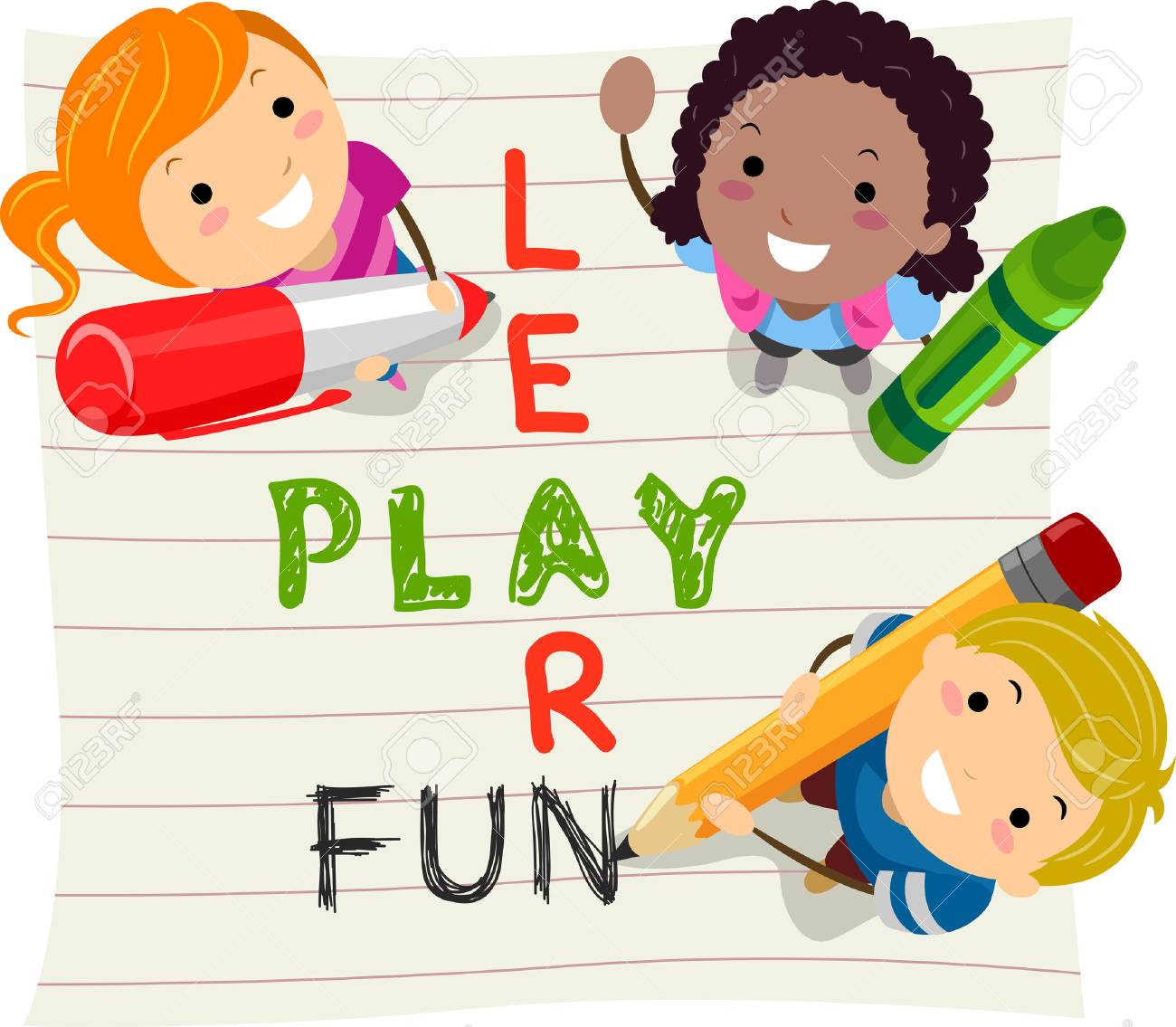
Motto for EdTechs: "Learning should be Fun"
The goal of the EdTechs should be to engage the students in the most intuitive and playful spirit. Every tinge of stress associated with learning should be nullified, and the learner should feel gelled with the content. Lectures and videos alone will not suffice in general. The EdTech platforms should have features to incorporate intellectual games to reinforce key ideas of the topic/subject being taught. Educators and consultants should be creative in developing such content, and can draw much inspiration from related contents found elsewhere. While holding my consultancy position, I introduced several math games that helps in reinforcing the concepts in mind of the student. A few resources for these I obtained from the platform call Brilliant (see brilliant.org if interested).
Knowledge should be the master, not money
Educating young minds should be treated with an attitude of service. I have wonderful example of this in many youtube channels related to math education. One that stands out is 3Blue1Brown (being run by Grant Sanderson), who puts seemingly difficult mathematics in intuitive and understandable manner. He runs the channel using the contributions from his patrons. These kind of community oriented educational services will be suitable for individuals to share knowledge with the world. In the Indian context, these kinds of trends are totally unseen. Another interesting player in school mathematics is the 'Art of Problem Solving', run by Richard Rusczy, to equip students in competitive mathematics (like Olympiads). I think these kinds of educational models are worth experimenting in India, keeping in mind the huge talent pool available in our country. Educators should focus on upskilling their talents to suit the present day challenges, and should not be bugged by concerns of capital. Where there is talent, there will definitely be opportunities to create monetary value.

How the EdTech can evolve?
Looking forward the EdTechs can create unique space with schools and encourage teachers to use their content. School teachers should be made partners in improving content. The financial model has to be carefully thought, so that the companies can be profitable. There is ample opportunity for after-school engagement too. Effective teacher involvement can be made with the help of forums and online learning communities. With the online platform comes a great advantage of giving instant student feedback through short quizzes and interactive exercises. I have tried experimenting with quizzes in my consultancy tenure, and I found that students engage well with 1-2 questions in a learning session. Content creators can optimize the number of creators depending on the topic being handled. These after lecture quizzes have the ability to encourage continuity in learning while retaining the major takeaways of the lecture.
Imparting National Values and embracing our Culture
Any holistic approach of education should be blended with imparting values. Since values form the bed rock of character, irrespective of the subject, the teachers should include small anecdotes, examples or stories to convey the message of moral conduct. In present times this has even more significance, because both parents are working in most families. Educators will find the following materials useful in this regard - Value Education - A Teachers Manual. I have had good experiences in sharing anecdotes that instill values like water (resource) conservation, honesty, compassion, and innovation.


No comments:
Post a Comment